
Events may run smoothly. Getting there rarely does.
On opening day, everything is expected to work. Guests arrive, doors open. The programme starts on time. In the build-up, there were no delays. No visible stress. Most of what it took to get there, you never see.
When everything seems on track, things still shift
Event planning doesn’t move in a straight line. Even when timelines are locked and plans are approved, things change:
- Ground conditions aren’t what they seemed
- Site access turns out to be more limited
- Weather interferes at the worst possible moment
- Requirements shift while the deadline stays fixed
And unlike many other industries, there is no room to move the finish line. Opening time doesn’t change. Circumstances may shift right up to the final phase. The deadline doesn’t. That’s when it matters who you work with.
Three moments where the build could have gone off track
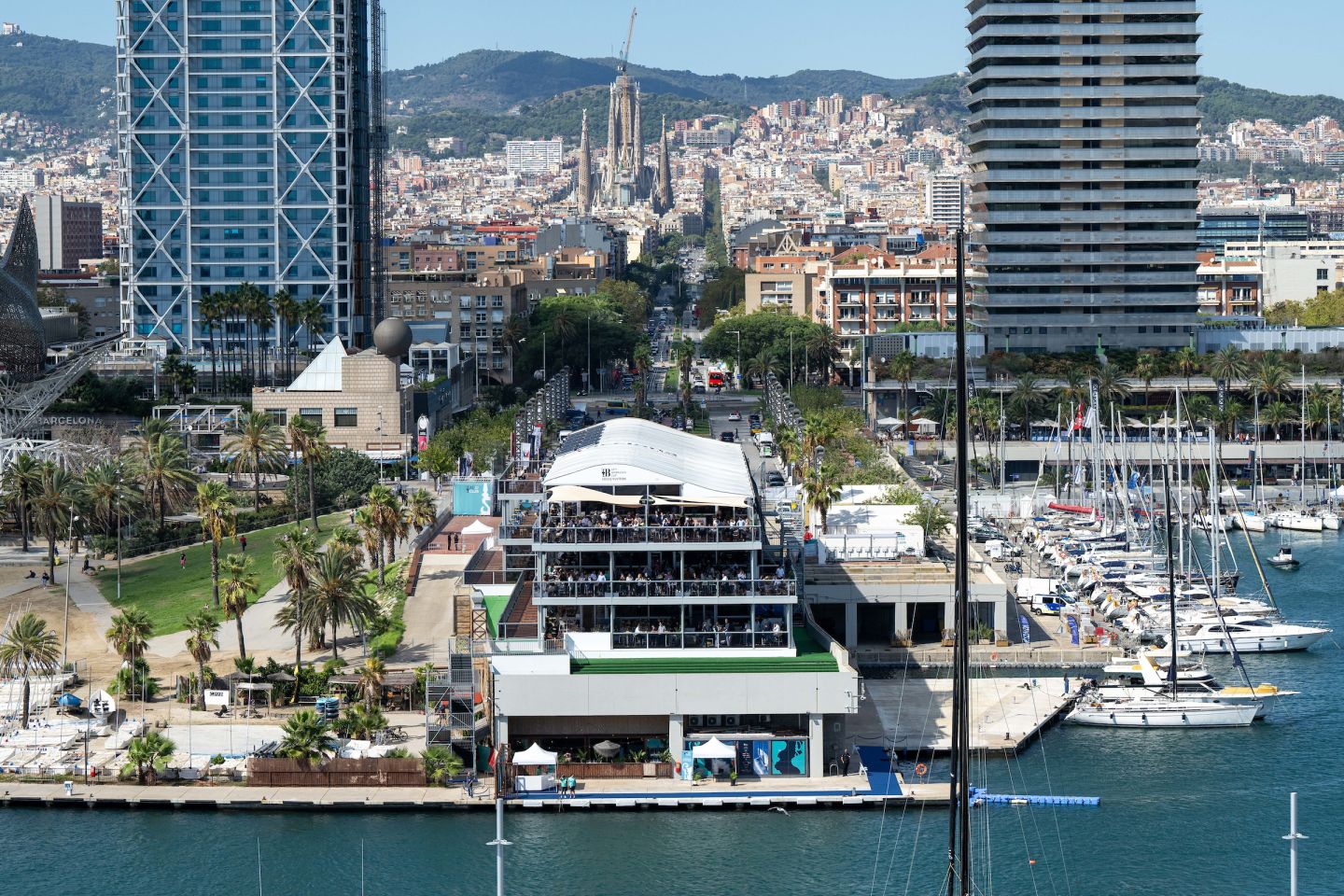
1. When the ground doesn’t cooperate — America’s Cup, Barcelona
A three-level hospitality venue. Waterfront location. Capacity for 1,000 guests.
What wasn’t visible:
Half of the structure stood on solid ground. The other half was built above a parking garage, with limited load capacity. This wasn’t a detail. It was a risk to the entire build.
The structure had to be re-engineered to distribute the load differently, without changing the design, the timeline, or the experience.
The outcome stayed the same: A fully operational venue, delivered on time, ready for opening day.
Full case study.
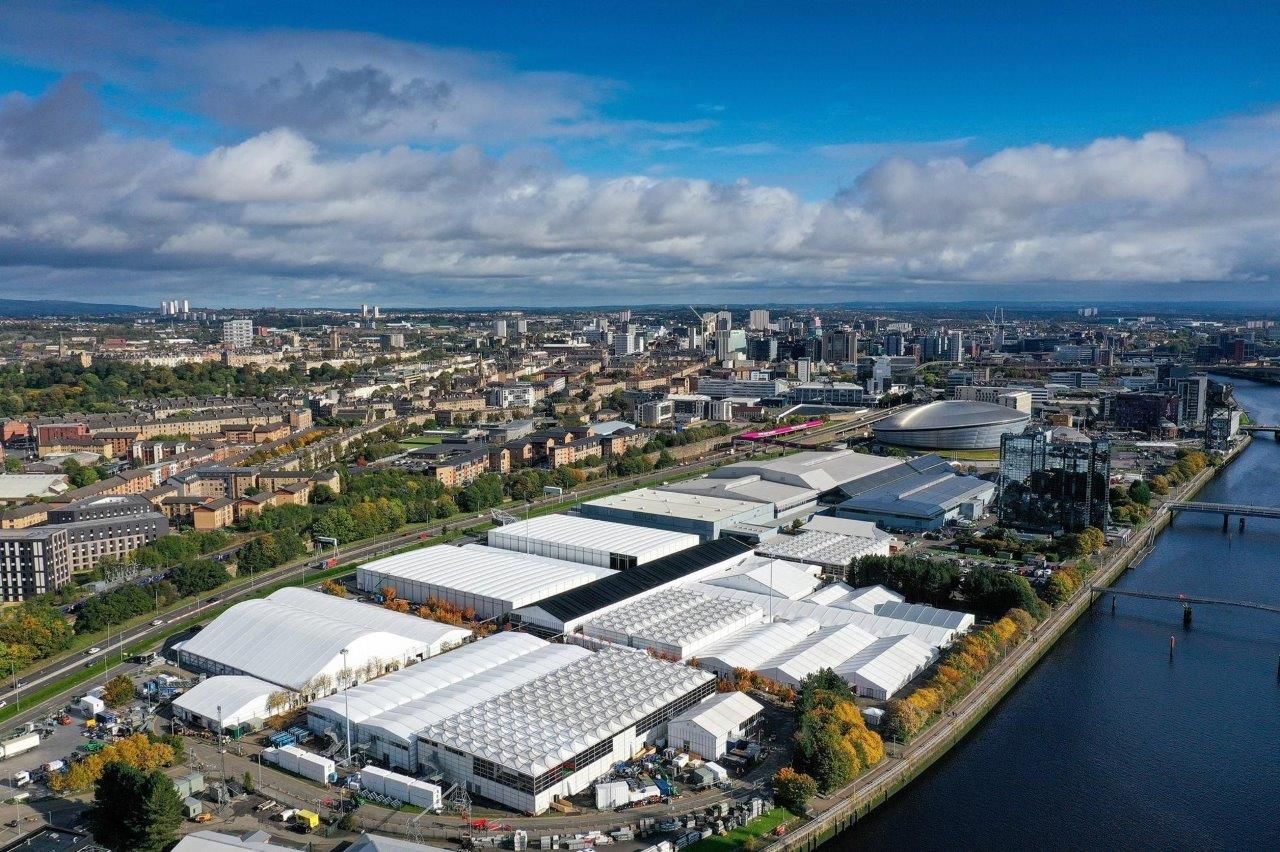
2. When the plan keeps changing — COP26, Glasgow
A global event. Fixed opening date. International visibility.
During delivery, plans didn’t stay still. Requirements shifted continuously, right up to the final phase. What didn’t change: The deadline.
Adjustments had to be made in real time, without slowing down the overall process.
The result: A fully functioning event environment, delivered as planned, despite constant change.
Full case study.
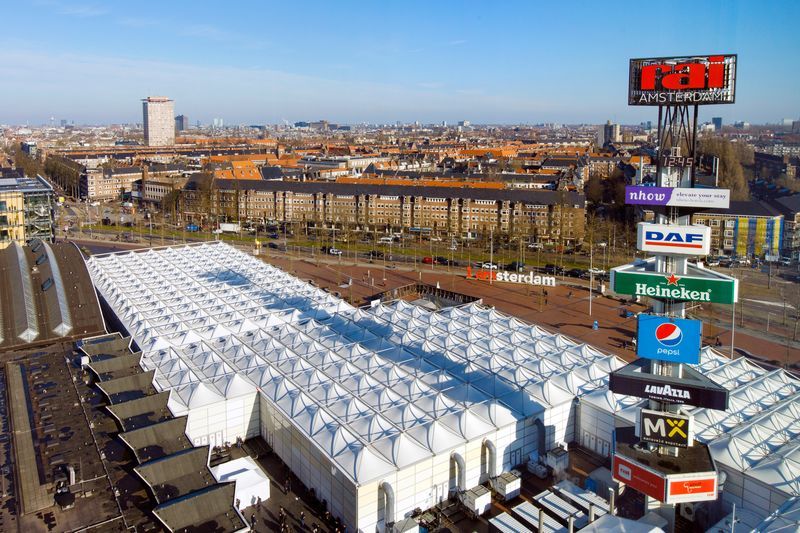
3. When conditions turn against you — IBC, Amsterdam
An expansion of the RAI, the country’s biggest exhibition and congress center, built on a busy public square, fully integrated with existing halls.
At a critical moment — the installation of the roof — weather conditions changed. Heavy snowfall made standard installation impossible.
There was no buffer in the schedule. Waiting wasn’t an option. The only way forward was to adapt on the spot: Clear the structure, act quickly, and complete installation within the available window.
The team kept the structure clear by hand — everyone on site, from project managers to engineers to crew, was constantly removing snow to stay ready. When a short window opened, they lifted the 100-metre roof into place that same day.
The outcome didn’t change: The event opened on time, without disruption.
Full project interview.
What this actually means for event organisers
These situations are not exceptions. They are part of the reality of large-scale events. The difference is not whether challenges occur, it’s whether they become visible.
For event organisers, success is not measured by how complex a project was.
It’s measured by:
- whether timelines are met
- whether budgets stay under control
- whether the event runs without disruption
- whether clients notice anything at all
In other words: Whether it simply works.
The part no one sees
What makes that possible isn’t the structure itself, it’s the ability to manage uncertainty without passing it on. To adjust without slowing down, and to solve problems before they become visible. Because when everything needs to work, what matters most is the part no one sees.
When it matters
When timelines are fixed, conditions are unpredictable, and expectations are high, there is little room for error. That’s when decisions need to be made quickly. When experience matters. When control matters.
When it matters, you call Losberger De Boer.


