
Why Modular Construction is Gaining Ground in Public Space Development
When timing, safety and flexibility matter, modular construction is becoming a trusted solution for municipalities across Europe. Here are five essential facts that help explain why this approach is on the rise.
5 Facts Every Municipality Should Know About Modular Sports Facilities
- Modular Sports Halls Can Be Built in Weeks
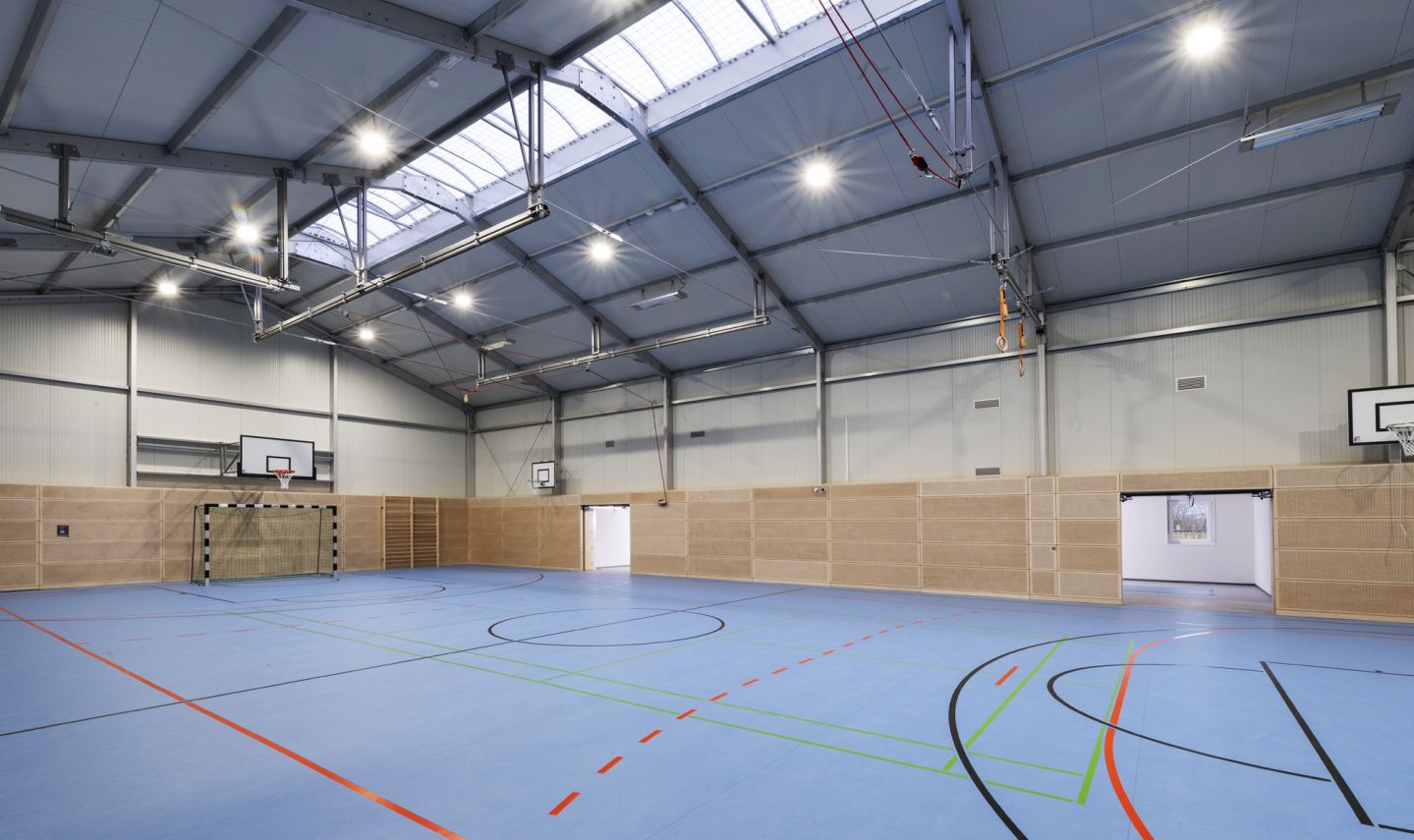
In situations where urgency is key — like replacing or renovating an aging facility or expanding local capacity — modular buildings are a fast and efficient solution. In some cases, structures can be installed in just 7 weeks, ensuring your community doesn't have to wait long for results.
Sport facilities by Losberger De Boer can be delivered in weeks, and can be used for anywhere between months and decades and they are available for rent (short term use) and sale (long term use).
- Fully Compliant with European Building Standards
Our facilities are designed to meet the latest Eurocode safety and building requirements. From fire safety to structural integrity, municipalities, sport clubs and end users can rely on a compliant, robust solution — even when time is limited.
- Designed with Sustainability in Mind
Modular does not mean disposable. These structures are built using durable, insulated materials and can be delivered with solar panels. At the end of their use, they can be dismantled, repurposed or fully recycled. This contributes to local environmental goals while ensuring long-term value.
- Flexible and Future-Proof
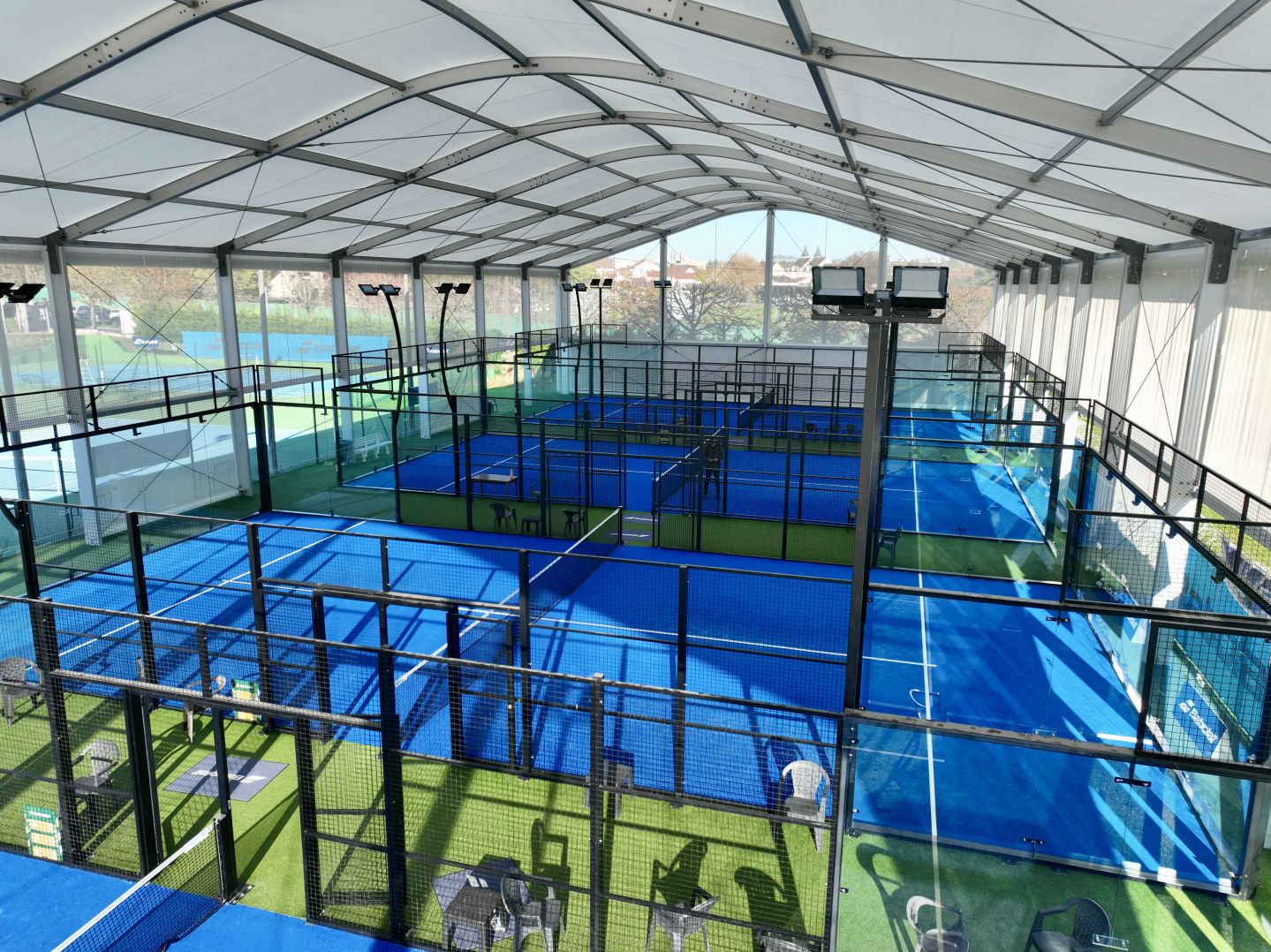
Needs change. Whether you’re planning a temporary tennis hall or a longer-term community space, modular buildings offer flexibility. They can be relocated, scaled up or reconfigured as required — making them a smart choice for dynamic municipalities looking for future-proof sport facilities. Need additional dressing room, office or canteen space, or facilities for the fast-rising sport of padel? We’ve got you covered.
- Cost-Efficient Without Compromising Quality
Flexibility makes all the difference: modular sport halls can be repurposed, extended or relocated as community needs evolve — avoiding costly rebuilds and significantly lowering total lifecycle costs. Combined with short build times and reduced on-site labour requirements, this makes modular construction a financially sound investment for public infrastructure.
Ready to explore modular solutions?
Visit our Sport Facilities page to see real-life examples and discover how other towns are meeting their citizens' needs quickly and efficiently, or go to our Cases page to see some projects we delivered.


